娱乐百分百
抚顺大官窑精品陶瓷亮相辽宁美术馆_我的网站

一 |
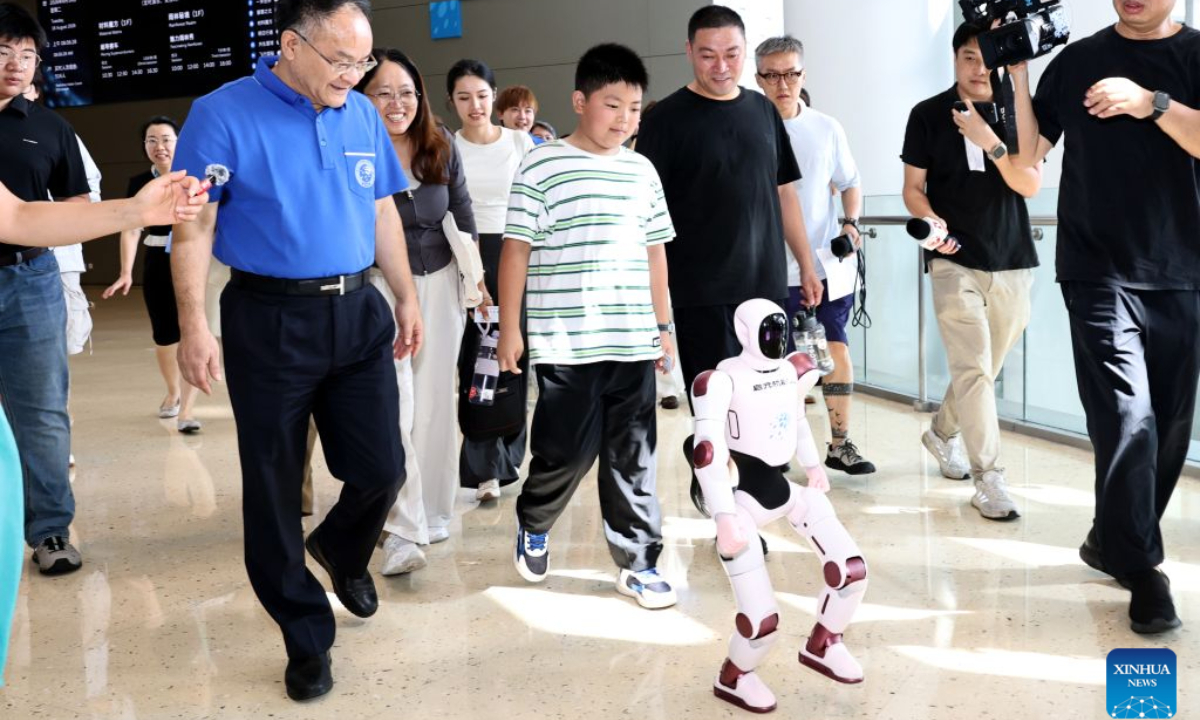
Zhang Zhiheng (C, front), the one hundred millionth visitor of Shanghai Science and Technology Museum, walks with his parents and museum director Ni Minjing (1st L, front) for a themed event at the museum in Shanghai, east China, Aug. 18, 2026. The number of visits to Shanghai Science and Technology Museum exceeded 100 million on Tuesday since its opening in 2001. It is a comprehensive science and technology museum complex that integrates a science and technology museum, a natural history museum, and a planetarium. (Xinhua/Fang Zhe)The Shanghai Science and Technology Museum welcomed its 100 millionth visitor on Tuesday, as a growing number of travelers are looking to make science and technology a part of their holidays.
Zhang Zhiheng, a boy from east China's Shandong Province, was the landmark visitor. He visited the museum with his parents on the second day of his first trip to Shanghai.
Since opening its doors to the public in late 2001, the museum has grown into one of China's most popular science and education destinations. Through a wide range of science and technology activities and programs, it remains dedicated to boosting public scientific literacy and sparking curiosity in visitors of all ages.
After being closed for over two years for upgrading, the museum reopened early this year. It now also includes two branches: the Shanghai Natural History Museum and the Shanghai Astronomy Museum.
Back in 2001, the proportion of Chinese citizens with scientific literacy was only 1.4 percent, and the figure had risen to 16.74 percent by 2025, according to official data.
As public interest in science has grown, visits to science and technology museums have increasingly become part of everyday life.
For many families, museums have become a popular destination during holidays and weekends, offering children opportunities to expand their knowledge and broaden their horizons.
"The biggest change I feel during my museum visits is that science and technology keep advancing," said Zheng Qina, a post‑90s visitor from Shanghai. She was nine years old when she visited the museum in 2001. Today, her five‑year‑old son is also a regular visitor.
The trend is also extending to international travelers. With China's inbound tourism gaining momentum following eased visa policies, science museums have emerged as an increasingly popular destination for overseas visitors seeking a closer look at the country's technological development.
From January to July this year, the Shanghai Science and Technology Museum and its two branches received nearly 200,000 foreign visitors, accounting for nearly 5 percent of the total visitor numbers.
Francisco and his parents, a family from Italy, were among the visitors on Tuesday. After touring an exhibition on green energy, Francisco said he was deeply impressed by displays showcasing China's nuclear and hydrogen energy technologies.
In recent years, China has made major advances in fields ranging from artificial intelligence and humanoid robots to quantum science, green energy, space technology, life sciences and physical sciences. Science and technology museums offer visitors an opportunity to explore some of these developments through exhibitions and interactive experiences.
For Ni Minjing, director of the Shanghai Science and Technology Museum, a notable change among visitors is that they have shifted from passive recipients of knowledge to more active explorers of science.
"Teenagers in particular now have abundant channels to acquire knowledge. The role of science and technology museums can no longer be merely about resolving doubts," Ni said. "Instead, through diverse forms of science popularization, museums should inspire visitors, especially young people, to think and create."
"We will continue to innovate the way we popularize science, enrich science-related content, promote the spirit of scientists and foster a culture of innovation, so as to spark young people's curiosity, imagination and desire to explore," Ni added.
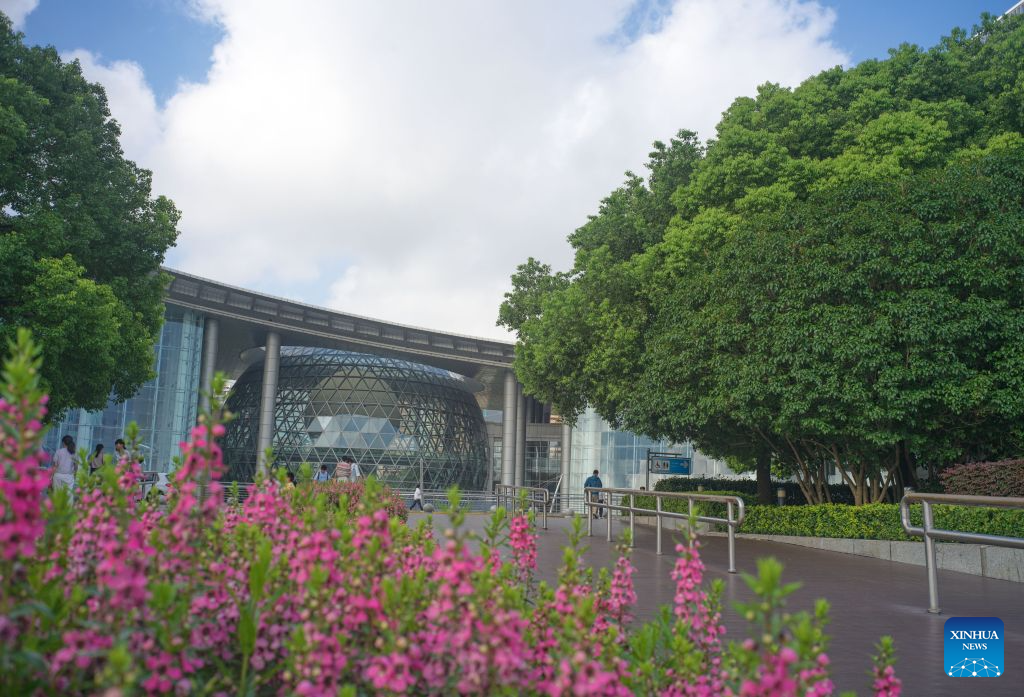
This photo taken on Aug. 18, 2026 shows an exterior view of Shanghai Science and Technology Museum in Shanghai, east China. The number of visits to Shanghai Science and Technology Museum exceeded 100 million on Tuesday since its opening in 2001. It is a comprehensive science and technology museum complex that integrates a science and technology museum, a natural history museum, and a planetarium. (Xinhua/Fang Zhe)
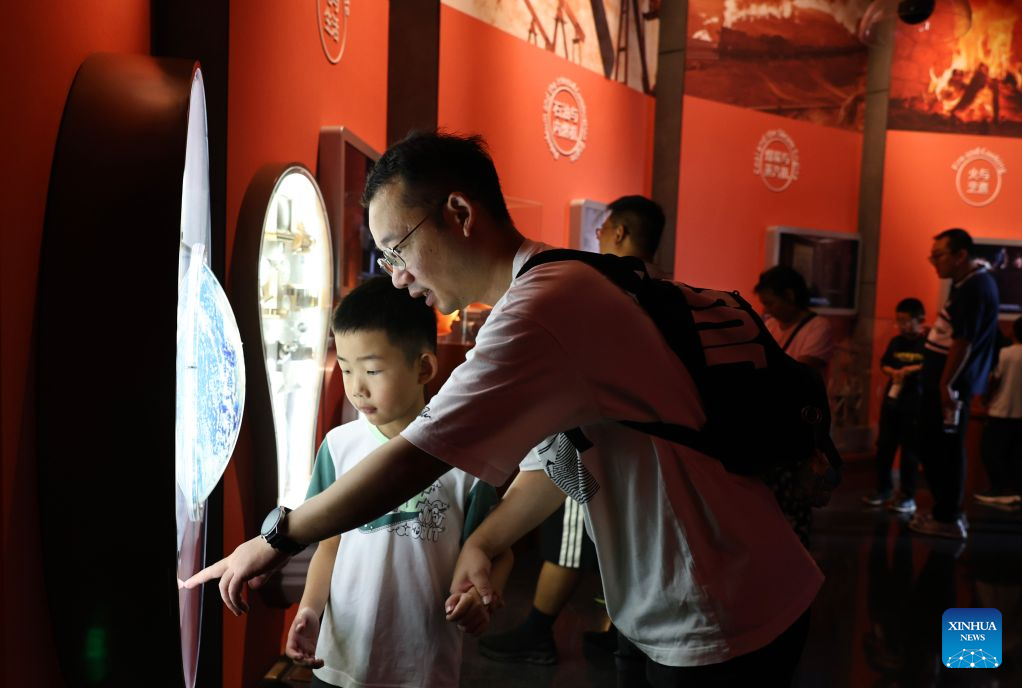
People visit the Shanghai Science and Technology Museum in Shanghai, east China, Aug. 18, 2026. The number of visits to Shanghai Science and Technology Museum exceeded 100 million on Tuesday since its opening in 2001. It is a comprehensive science and technology museum complex that integrates a science and technology museum, a natural history museum, and a planetarium. (Xinhua/Fang Zhe)
。 11月21日,“北方韵瓷”——辽宁省第二届中青年陶瓷艺术家作品抚顺大官窑邀请展在辽宁美术馆拉开帷幕,此次展出的150多件艺术家作品和大官窑精品陶瓷,出自48位中青年陶瓷艺术家之手,进一步展现了辽宁陶瓷文化的传承与发展。
抚顺大官窑始于辽,兴于金,盛于明清,毁于日本侵华战火。2018年大官窑陶瓷被列为抚顺市非物质文化遗产项目。

二 | 2020年抚顺大官窑陶瓷文创园建成,开启了大官窑陶瓷产业化发展新的篇章。
展会现场,引来众多陶瓷文化的爱好者,在王永亮创作的“故宫系列”,蔡福全创作的“小怪涂鸦系列”,张桂昉创作的“鱼系列”,任嘉博创作的“冰凌花、天女木兰”等精品陶瓷前,观众们纷纷拿起手机拍照。
“冰凌花、天女木兰系列陶瓷在网上展出后,吸引了大量粉丝,成为网红产品。”抚顺大官窑陶瓷制作技艺代表性传承人王永亮告诉记者:“抚顺大官窑是我国北方陶瓷发展史上的名窑,在《中国陶瓷史》中就有对大官窑的记载,其烧制的大官窑陶瓷釉色闪耀金属光泽,是北方结晶釉陶瓷的典型代表。”
据了解,王永亮在家族陶瓷工艺传承的基础上,通过实地考察,研读历史资料,走访民间陶瓷艺人,系统化整理出抚顺大官窑陶瓷原料采挖加工、成型制作、风格设计、烧成技术等全套工艺流程,有着800多年历史的抚顺大官窑陶瓷再次展现出夺目的光辉。
“抚顺拥有丰富的高品质高岭土,是发展陶瓷产业的宝贵资源。

三 | ”王永亮说。作为沈阳工学院创新创业学院陶瓷专业的负责人,王永亮将大官窑陶瓷制作技艺带进大学课堂,为大官窑陶瓷的传承培养了一批学子。

四 | 目前,王永亮领衔的创作团队已获得十余项国际国内奖项,他们烧制的“大官窑雪山杯”被选为第三十一届世界大学生运动会“大运好礼”,还有更多的陶瓷文创产品在辽宁省博物馆销售。
毕业于鲁迅美术学院陶艺专业、阜新市工艺美术大师王阳带来的花语梅香系列作品,清新淡雅,由她打造的“黛熹”品牌,深受国内外女性的欢迎。
据介绍,此次展会到11月28日结束。

五 |
责任编辑:李丹。
Current article:http://gqpay.cousizhegaobaolengkuo.bond/news/20260826_8334076.html
Published on:18:17:57


